Buying a home in Manor, TX feels different from scrolling listings. You stand in a living room that will host summer evenings, you press your palm against a hallway wall and imagine drywall and paint aging with you, and then you open the utility closet and look at the air handler. The AC tells a story about past maintenance, previous shortcuts, and the bills you will pay. For buyers in Manor, neglecting that story can turn a good deal into a recurring headache. This piece walks through what to inspect, what to ask sellers and contractors, and how to make decisions that transfer comfort and value, not surprise repairs.
Why the AC matters in Manor Manor shares Austin-area heat, humidity, and heavy use of cooling from March through October. That means a system that looks functional at a walkthrough can be three months away from failing under sustained load. Homes here often cycle a lot because of high daytime temperatures and significant nighttime drops, and older systems face wear on motors, capacitors, and coils. As a buyer, you are not just buying a physical machine. You are buying future service calls, refrigerant add-ons if leaks exist, and the electricity to run it. A clear-eyed assessment now can save thousands and prevent emergency AC repair near me searches at midnight when the kids are sweating.
What to look for during showings and inspections A visual walkthrough gives clues that no report can capture. Start with sound and smell. A healthy outdoor condensing unit hums evenly. Loud rattles, screeches, or frequent cycling when the thermostat calls for cooling point to blower motor trouble, failing capacitors, or mismatched components. A musty or chemical odor from vents suggests clogged drain pans, biological growth, or refrigerant leaks. Check the age label on the outdoor unit and the air handler. Most split-system air conditioners last 12 to 15 years with good maintenance. If the unit is older than 10 years, budget for replacement within the first five years after purchase.
Open return-air grilles and look at the evaporator coil access panel if the seller permits. Heavy dust, oil stains, or water damage around the coil are red flags. Also survey ductwork in attics and crawlspaces when accessible. Rips, unsecured joints, or ducts lying on insulation reduce efficiency substantially. Small gaps can cost 10 to 30 percent of cooling energy. Evidence of spot repairs with duct tape shows past band-aid fixes rather than durable sealing.
Key questions to ask the seller or agent Simple questions produce the clearest insight. Ask when the system was last serviced and whether the seller has receipts. Regular maintenance every six to twelve months significantly extends equipment life. Request a copy of the last service report. If the seller replaced a compressor, ask who replaced it and whether the unit was matched properly to the coil and furnace. Mismatched components cause short cycling and reduced efficiency.
Ask whether any repairs were made under warranty and whether those warranties are transferable. In Texas, some compressor warranties are ten years but require original registration and proof of maintenance to remain valid. Finally, ask about past emergency calls and what precipitated them. Repeated calls for the same issue indicate a systemic problem, not a one-off event.

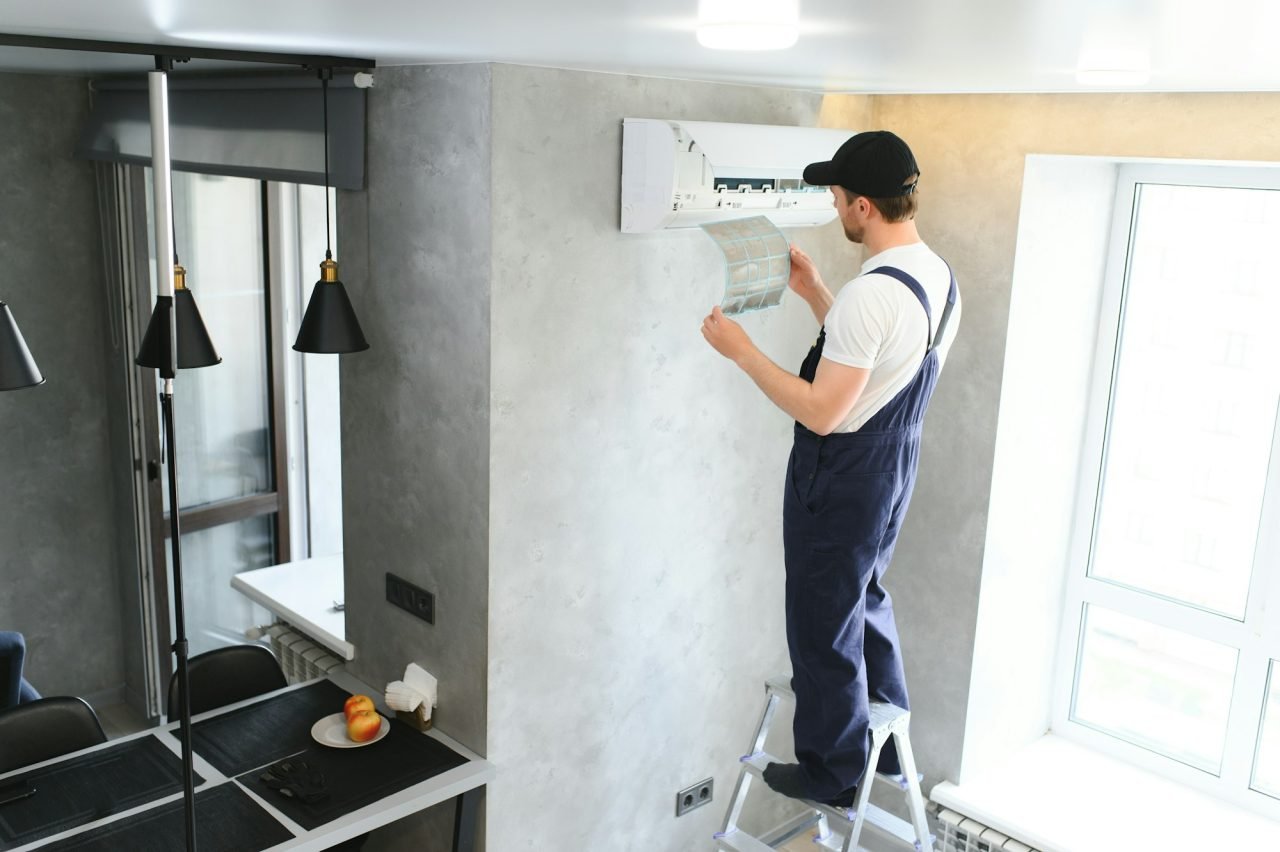
How the inspection report should influence negotiations A professional home inspector will note obvious mechanical issues, but HVAC-specific problems often require a specialist. If the inspector flags low refrigerant, refrigerant oil, or signs of water leakage, retain a licensed HVAC contractor for a targeted evaluation before closing. A focused HVAC evaluation costs a few hundred dollars and gives hard numbers you can negotiate with.
If the specialist finds a repaired refrigerant leak, ask for documentation of the repair method and whether dye or tracer was used. A temporary fix without addressing the root cause can mean another leak within months. Use the HVAC report to request credits, a price reduction, or seller-paid repairs. In competitive markets, sellers sometimes resist credits, but most prefer a negotiated fix rather than a transaction collapse caused by a failing HVAC system.
When to replace instead of repair Deciding between repair and replacement depends on age, repair cost relative to value, and remaining expected life. A practical rule of thumb: if repair costs approach 50 percent of the price of replacement and the system is over 10 years old, replacement is the smarter investment. For example, if a condenser replacement quote is $2,500 and the estimated replacement value for a new matched system is $5,000, replacement often justifies itself with improved efficiency and fewer service calls.
Efficiency matters. A new unit installed correctly usually carries higher SEER ratings and lower operating costs. In Manor, upgrading from an older 10 SEER unit to a 16 SEER unit can reduce energy bills by approximately 25 to 35 percent in the first year, depending on usage patterns and cooling degree days. Also consider warranties. New systems often include 10-year warranties on compressors and parts, provided setup and maintenance requirements are met.
Choosing the right contractor in Manor Not all technicians are equal. Look for technicians who carry current Texas HVAC licenses, carry liability insurance, and have references in Manor or the greater ATX area. Specialty matters. A contractor who handles both AC Repair in Manor TX and Ac installation in Manor TX provides continuity; they can tell you whether an old coil is compatible with a proposed replacement condensing unit or whether ductwork needs resizing.
Ask potential contractors how they match equipment. Industry best practice is to calculate load using Manual J, size ducts with Manual D, and specify equipment based on Manual S — not rule-of-thumb sizing. Contractors who quote solely on tonnage or use square footage as the only metric are cutting corners. Insist on a written estimate that itemizes labor, parts, anticipated permits, and cleanup, and that spells out warranty terms.
A cautionary tale: I once worked with a buyer who accepted a low-cost AC replacement bid from a contractor who avoided Manual J calculations. The new unit was oversized by two tons for the house. It cooled quickly but short-cycled, causing humidity problems, noisy operation, and higher electric bills than the old unit. A second contractor later identified the sizing error and recommended a modulating system, which solved the issue but added significant unexpected cost. Proper upfront engineering avoids that trap.
Priorities for a pre-closing HVAC evaluation Arrange for three things before you finalize:
- confirm the system functions under load, not just at a quick test have an HVAC pro check refrigerant charge, electrical connections, and airflow inspect drainage and condensate management
A system that performs fine for five minutes can behave differently over the course of a hot afternoon when ducts expand, pressures change, and drainage becomes a problem. An HVAC pro can place gauges, measure static pressures, and evaluate parts that a general home inspector might not test.
A short checklist for the HVAC contractor’s focused assessment
Verify system age, model, and serial numbers and confirm warranty status ATX Heating & Air Conditioning LLC atxheatingandac.com Measure refrigerant charge and inspect for leaks with an electronic leak detector Test airflow across the evaporator coil and measure supply/return temperatures Inspect electrical components: capacitors, contactors, and breakers Check condensate drain, secondary pan, and float switch operationUnderstanding common failure modes and costs Common failures in Manor include compressor burnout, refrigerant leaks, capacitor failures, and blower motor issues. Capacitor replacements are relatively inexpensive, often a few hundred dollars including labor, but failures can cause the system not to start and should be addressed immediately. Compressor replacements are costly; a contractor may quote between $1,200 and $3,500 depending on the system and access. If the compressor failure is due to a clogged condenser coil or failed fan motor, replacing the compressor alone can be a short-term fix.
Refrigerant types matter for future service and cost. Many older systems use R-22, which is being phased out. If the home’s system still operates on R-22, budget for higher refrigerant costs. A single recharge can cost several hundred dollars, depending on the leak size and market price. Converting to a new refrigerant or replacing the system eliminates that recurring exposure.
Emergency service realities If you search emergency AC repair near me at 3 a.m., expect premium fees. Emergency calls often double or triple normal service charges, and some contractors charge flat fees for night or holiday service. You can avoid many emergencies through preventive maintenance: air filter replacement every 30 to 90 days depending on filter type, annual coil and drain cleaning, and timely replacement of worn electrical parts. Ask a prospective contractor whether they offer maintenance agreements, priority scheduling, and 24/7 service options. For a modest annual fee, many companies provide a first-in-line service advantage that can be valuable during heat waves.
The value of a maintenance contract Maintenance contracts are not just recurring costs. They provide records that support warranty claims, lower the risk of emergency failures, and often include free or discounted repairs. A typical maintenance agreement in Manor costs between $100 and $300 per year for two tune-ups, but it varies by system size and whether the contract covers both heating and cooling. For buyers, transferring or securing a maintenance agreement at closing can be a negotiating point. If a seller will buy out a recent maintenance contract or include a prorated agreement, that is tangible value.
When to insist on seller repairs versus asking for credits If the HVAC contractor identifies safety issues, such as exposed wiring, a gas furnace with cracked heat exchangers, or significant water damage from condensate overflow, insist the seller repair these issues before closing. Those are immediate liabilities. For non-urgent but substantial problems, such as an aging unit with a documented need for replacement within a year, negotiate a credit or escrow holdback that covers replacement costs post-closing. Escrows protect both parties until the repair is completed.
Why local knowledge matters: ATX Heating & Air Conditioning LLC and the area market Local contractors understand Manor microclimates, common duct layouts in local tract homes, and which brands hold up best under Austin-area conditions. If you are vetting contractors, look for local references and reviews. Companies like ATX Heating & Air Conditioning LLC operate in the Austin region and can provide both AC Repair in Manor TX and Ac installation in Manor TX services, which helps when you need continuity between diagnosis and replacement. Local firms can also navigate municipal permit requirements and dispatch quickly for emergency AC repair near me needs.
Final considerations for buyers A cooling system is a mechanical asset with a predictable decay curve, not an unpredictable curse. Treat it like you would the roof or the plumbing. Get hard data, weigh repair cost against remaining life, and insist on professional evaluations when in doubt. Plan for one of three outcomes: the system is fine, it needs modest servicing, or it needs replacement. Each path has costs and trade-offs, but a transparent assessment before closing reduces the chances that you will be hunting for emergency AC repair near me in the first month after you move in.
If you leave closing without clear HVAC documentation, create a plan for the first 90 days: change filters immediately, schedule a comprehensive service, and set aside funds for replacement if the technician recommends it. A small investment now avoids the worst time to find a failing system: the first heat wave after you move in.
ATX Heating & Air Conditioning
13809 Theodore Roosevelt St., Manor, TX - 78653
(737) 406-8083
[email protected]
Website: https://atxheatingandac.com/